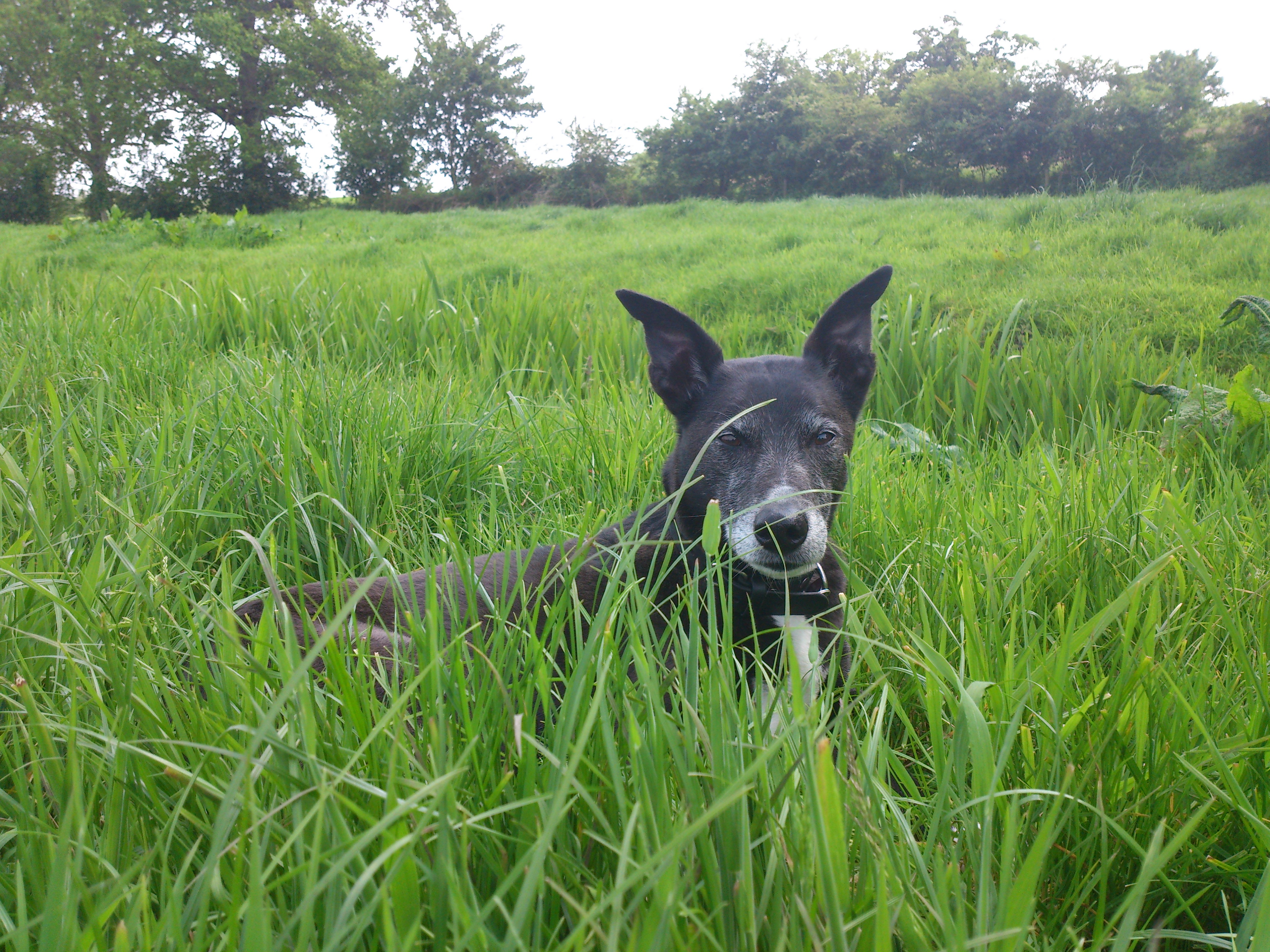
Elijah – a calm, cooperative and happy dog
A calm, cooperative dog is not created through control or correction, but through trust.
When a dog feels safe in the care of their human — when they know their needs will be met, their feelings considered, and that they will not be placed in situations beyond their ability to cope — calmness often emerges naturally and cooperation follows.
Dogs who trust that their human will advocate for them in all situations, provide guidance when they are anxious and always return to them when they leave them home alone, do not feel the need to manage and control their world. Their behaviour reflects a sense of security and emotional balance.
However, when a dog becomes anxious or uncertain about their environment, and begins to lose trust in their human caregivers abilities to keep them safe, they may begin to take on the role of decision-maker. In doing so, they start practising behaviours designed to keep themselves safe — behaviours rooted in vigilance, avoidance, or control. These are not acts of defiance, but survival strategies and signals that the dog does not feel fully supported or understood.
Behaviour is learned through repetition. What a dog practises today becomes more fluent tomorrow.
By listening carefully to what behaviour is telling us, we can begin to restore safety, reduce the need for coping strategies, and support our dogs in returning to a calmer, more cooperative way of being.
So it is worth pausing to ask:
What behaviours is my dog practising each day — and why?
What might my dog be telling me about how safe, supported, and understood they feel in our shared world?
When we slow down and listen, behaviour becomes less about fixing and more about understanding.
And from that place, real change can begin.